"The past is contained in the future." —
Silvia Rivera Cusicanqui
What is Global Threads?
Global Threads is an international research and knowledge exchange initiative exploring the relationship between Indigenous weaving traditions, cultural heritage, sustainable development, and economic opportunity across the Andes.
Supported by the University of Glasgow's Centre for International Development, the project works with Indigenous weavers, community leaders, NGOs, researchers, artists, and policymakers to understand how traditional knowledge can contribute to more equitable and sustainable futures.
Over the past year, we have conducted research across Peru, Bolivia, and Ecuador, engaging with weaving communities, cooperatives, cultural organisations, and development practitioners. Through interviews, workshops, and collaborative research, we have explored the opportunities and challenges facing Indigenous textile producers in a rapidly changing world.
Our findings point to a simple conclusion: Indigenous weaving traditions are not relics of the past. They remain dynamic sources of cultural identity, economic opportunity, environmental knowledge, and community resilience.
Why Weaving Matters
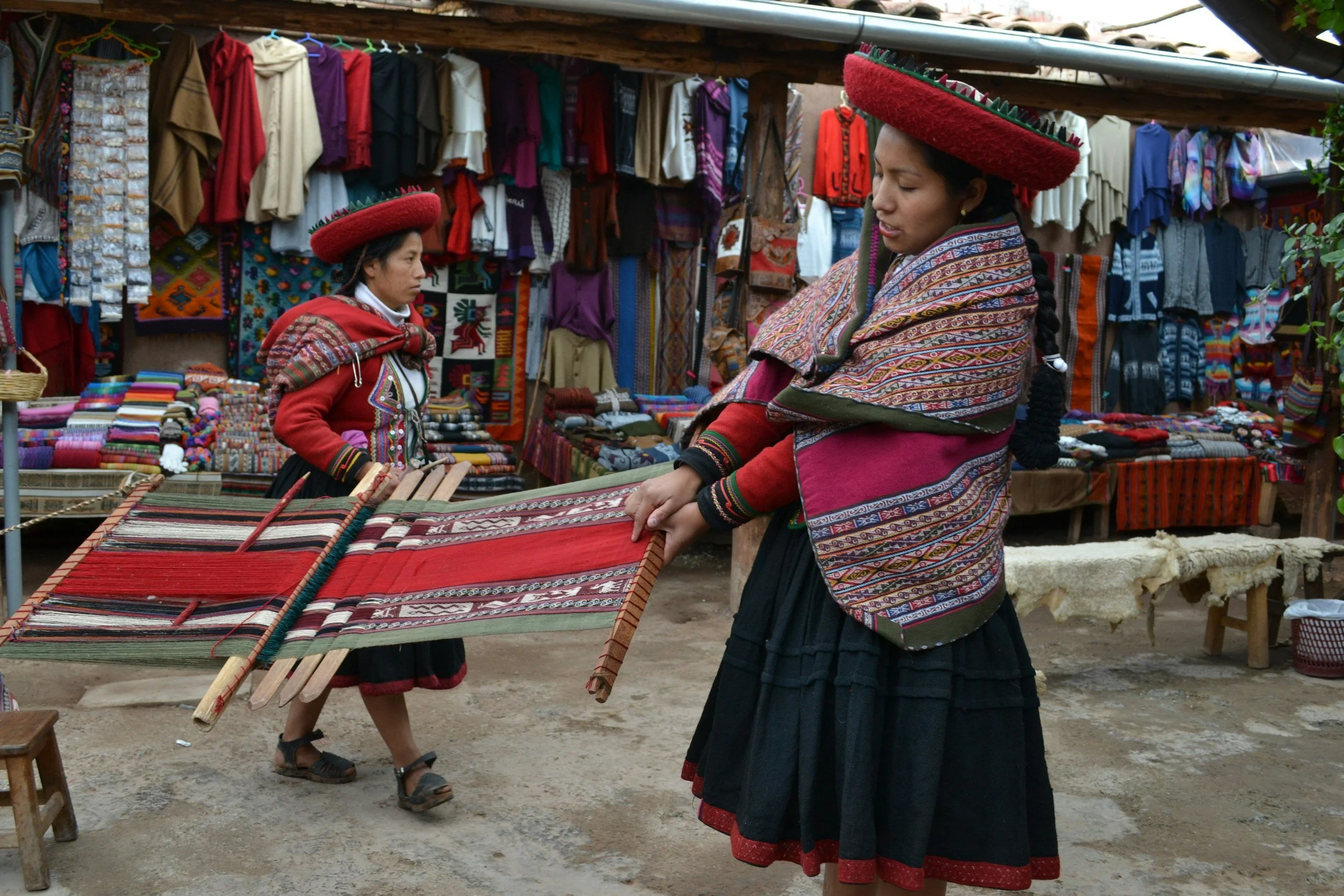
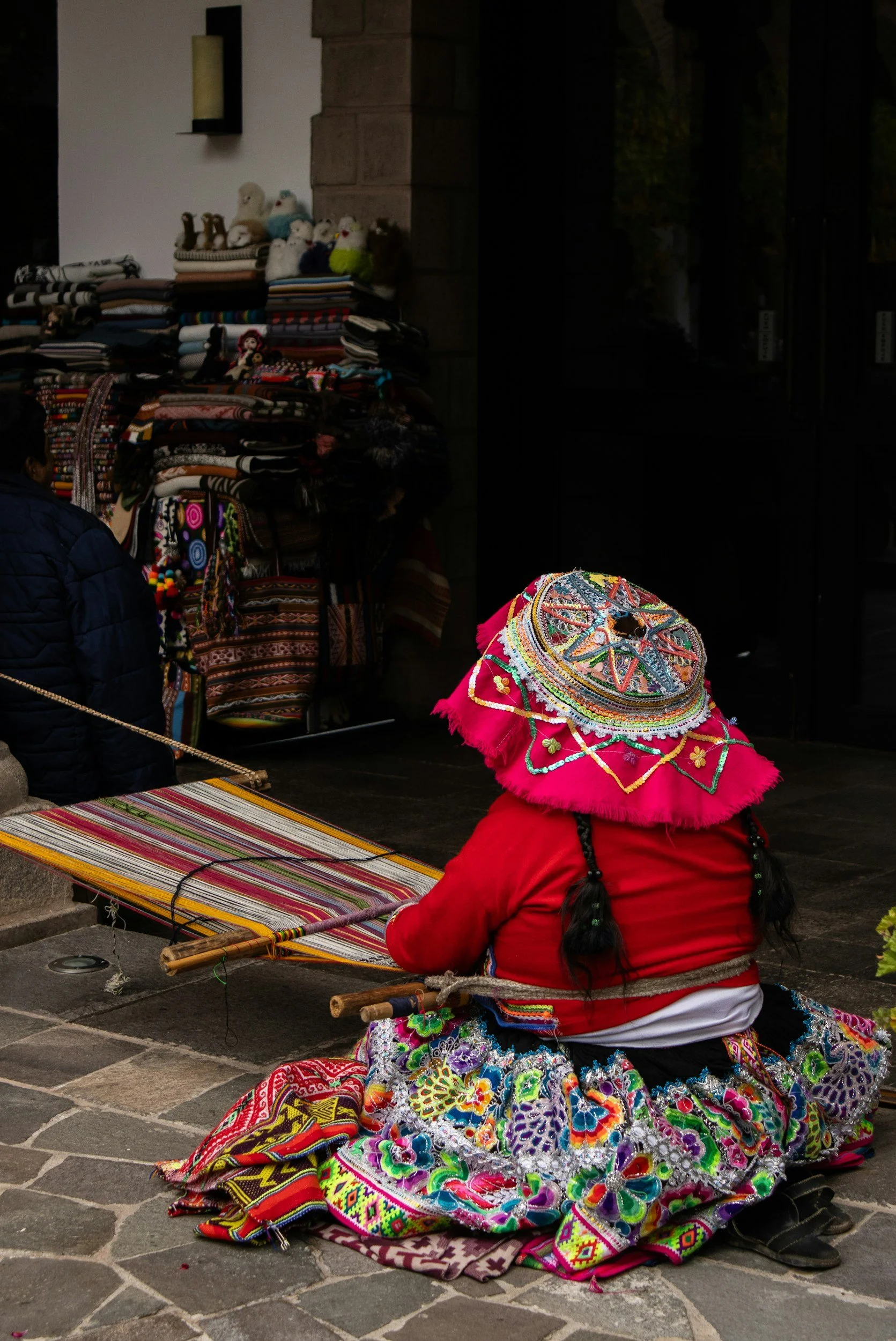
Across the Andes, weaving is far more than a craft. Textiles carry histories, identities, cultural knowledge, and relationships that have been passed down through generations.
For centuries, Indigenous communities have used weaving to record stories, express cultural values, and maintain connections between people, place, and memory. Today, weaving continues to provide livelihoods for thousands of families while preserving knowledge that might otherwise be lost.
Our research demonstrates that cultural heritage and economic development are not competing priorities. When communities are supported on their own terms, weaving traditions can strengthen both cultural continuity and economic wellbeing.
Why Women Matter
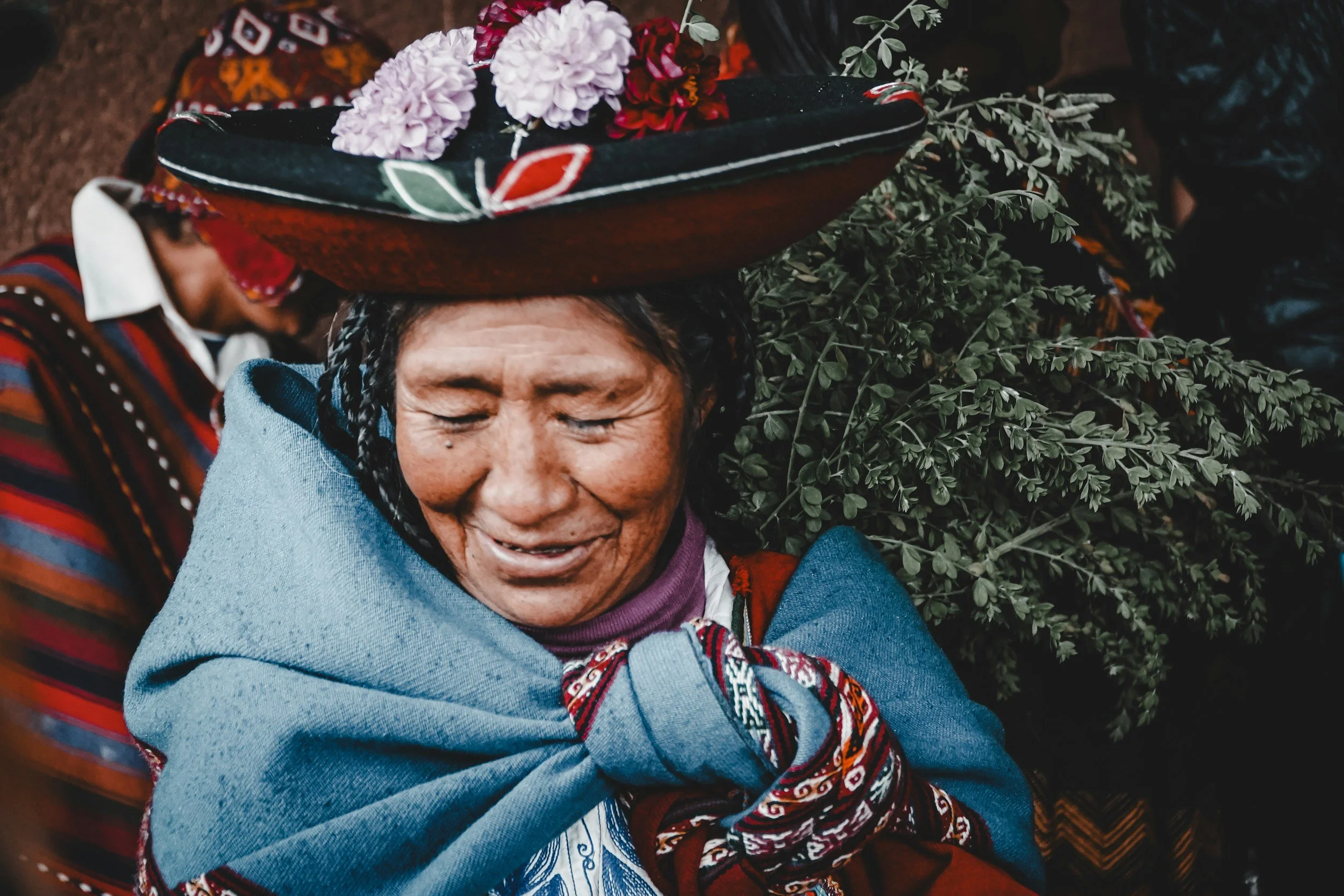
Women are at the heart of Andean textile traditions.
They are often the primary custodians of weaving knowledge, responsible for teaching techniques, preserving designs, transmitting stories, and sustaining cultural practices across generations.
Women also play critical roles as entrepreneurs, cooperative leaders, educators, and innovators. Across the region, we found that women-led weaving initiatives are creating opportunities not only for individual families but for entire communities.
Supporting women means supporting cultural resilience, economic empowerment, and intergenerational knowledge transmission.
Why Youth Participation Matters
The future of Indigenous weaving traditions depends upon younger generations.
Many communities face challenges associated with migration, urbanisation, and changing economic opportunities. At the same time, we encountered inspiring examples of young people combining traditional knowledge with digital technologies, contemporary design, social media, and new forms of entrepreneurship.
Young people are not simply inheriting traditions; they are actively reshaping them.
Creating educational opportunities and meaningful economic pathways for youth is essential to ensuring that Indigenous knowledge continues to thrive in the future.
Why the Andes Matter
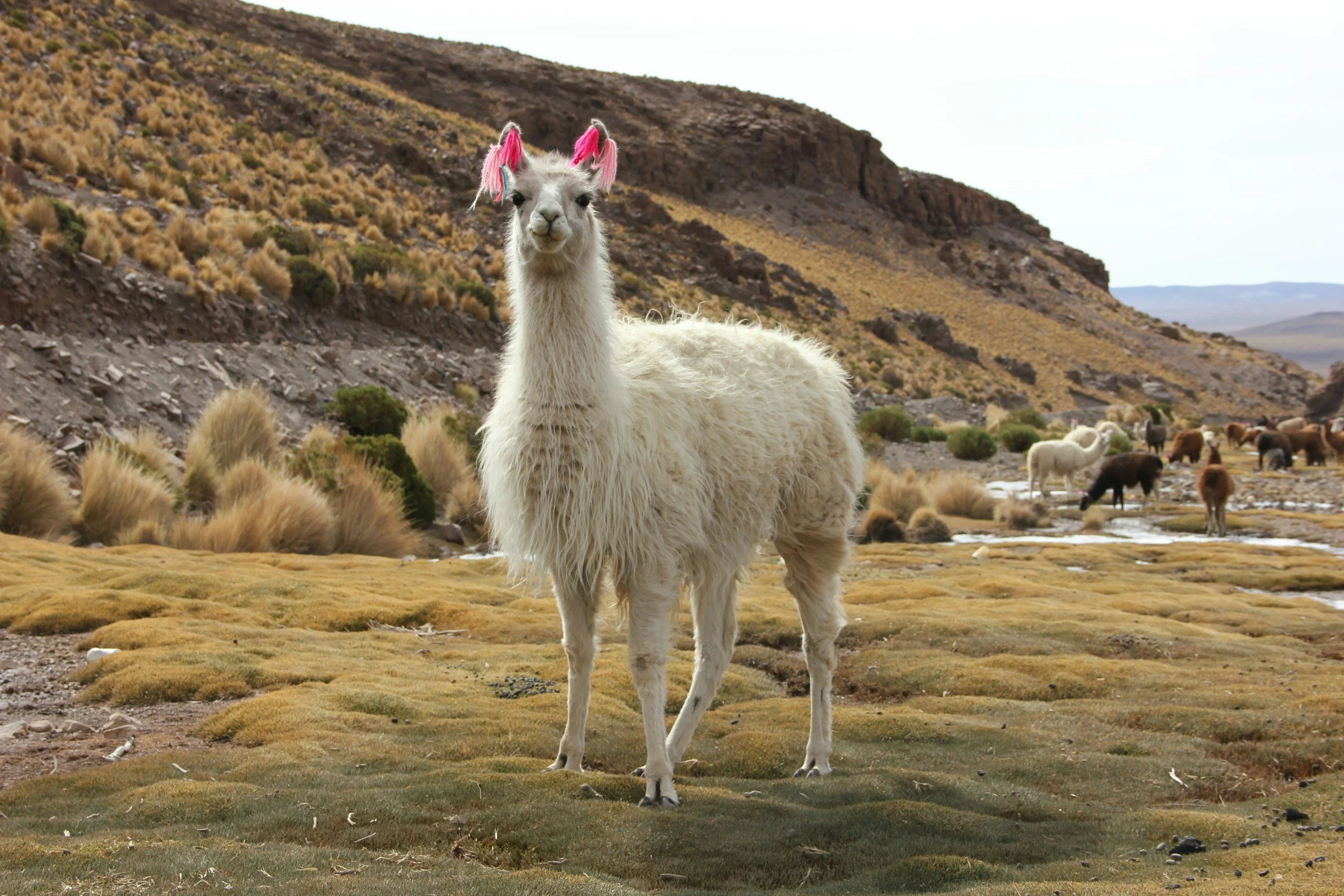
The Andes are home to some of the world's most significant living textile traditions.
For thousands of years, weaving has played a central role in the social, economic, and cultural life of Andean communities. These traditions continue to shape identities and livelihoods across Peru, Bolivia, and Ecuador.
At the same time, the region faces significant challenges, including poverty, environmental change, market inequalities, and migration.
The Andes therefore provide an important lens through which to explore broader questions about heritage, sustainability, development, and cultural resilience in the twenty-first century.