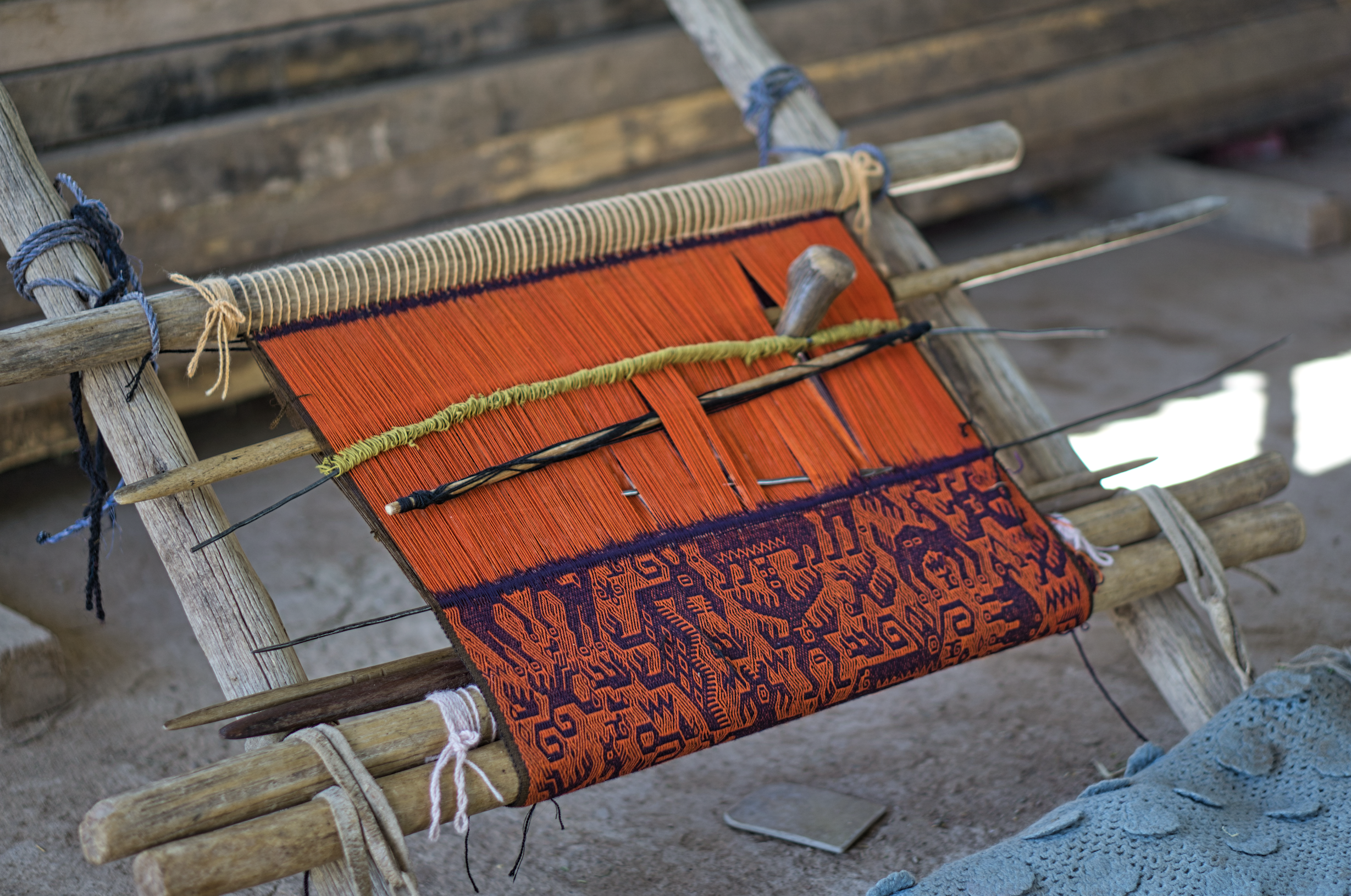
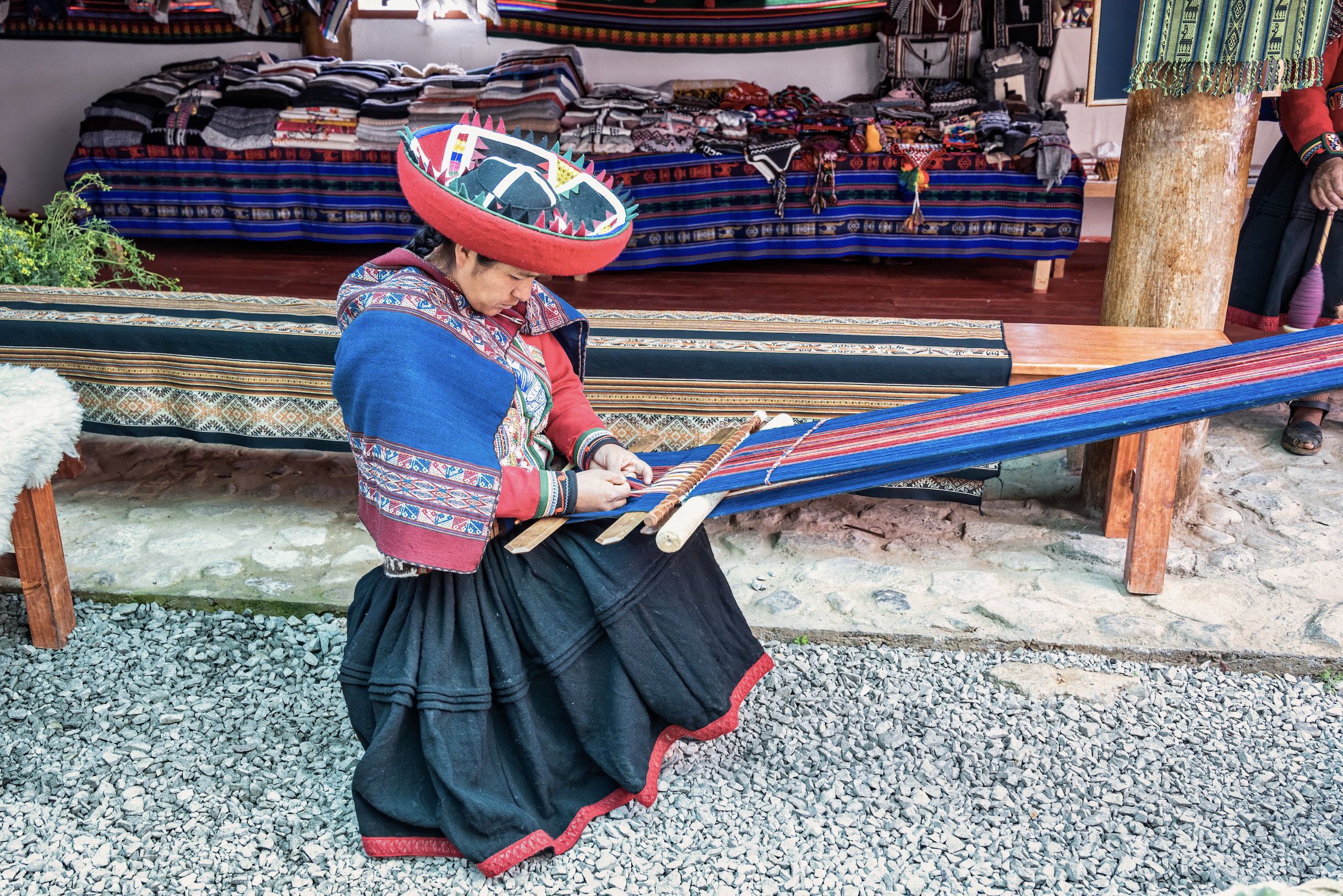
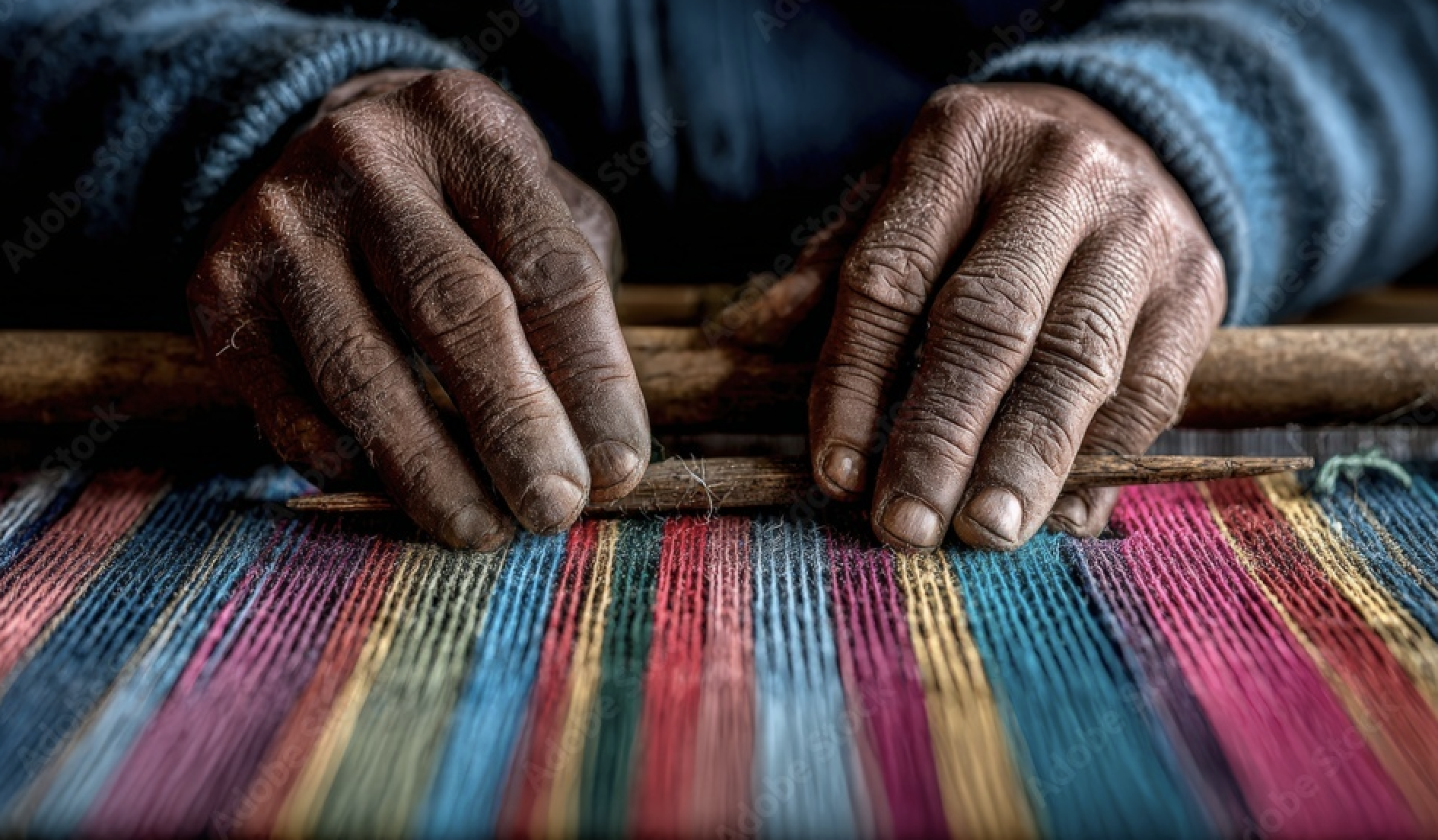
Overview
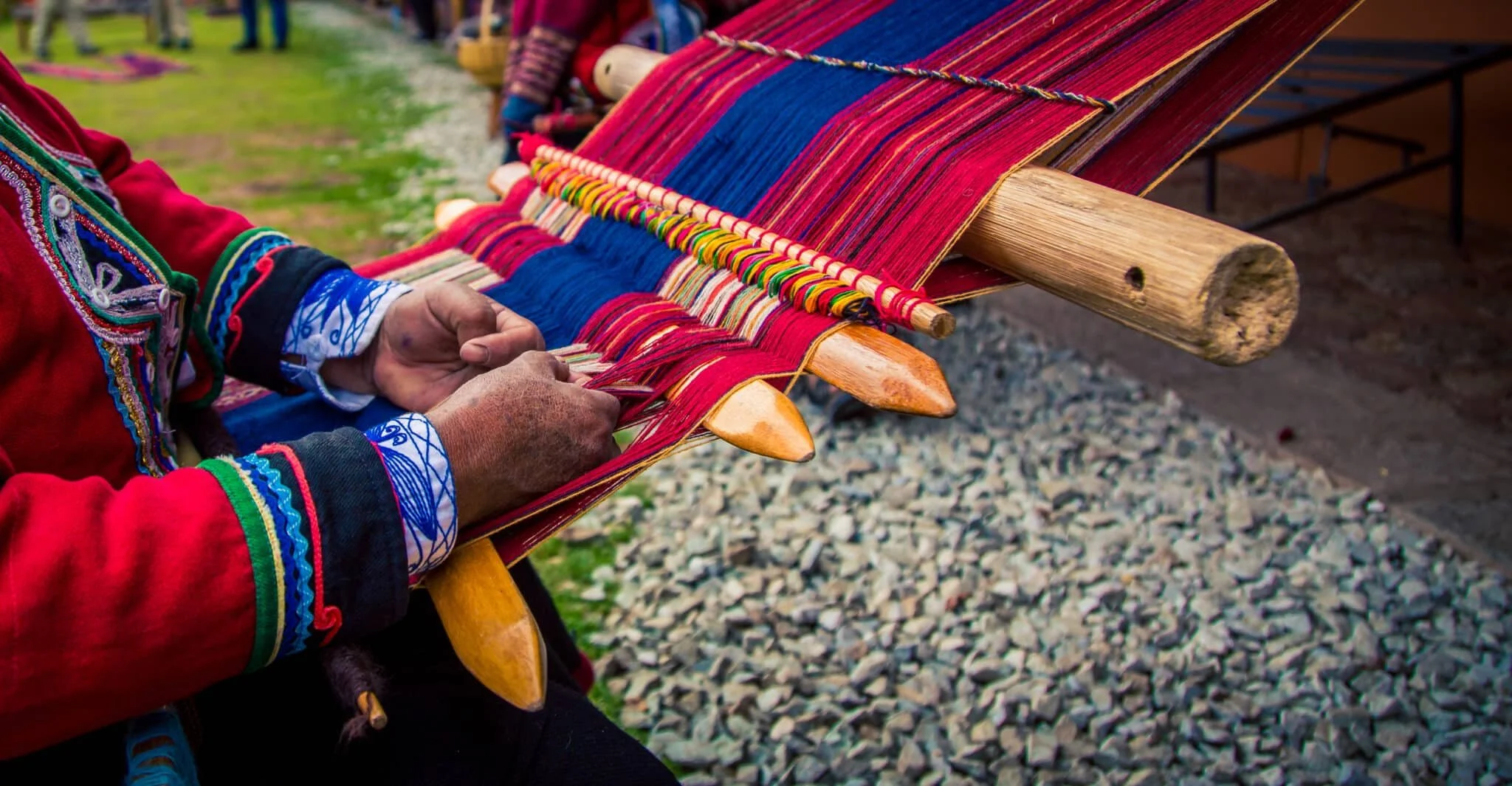
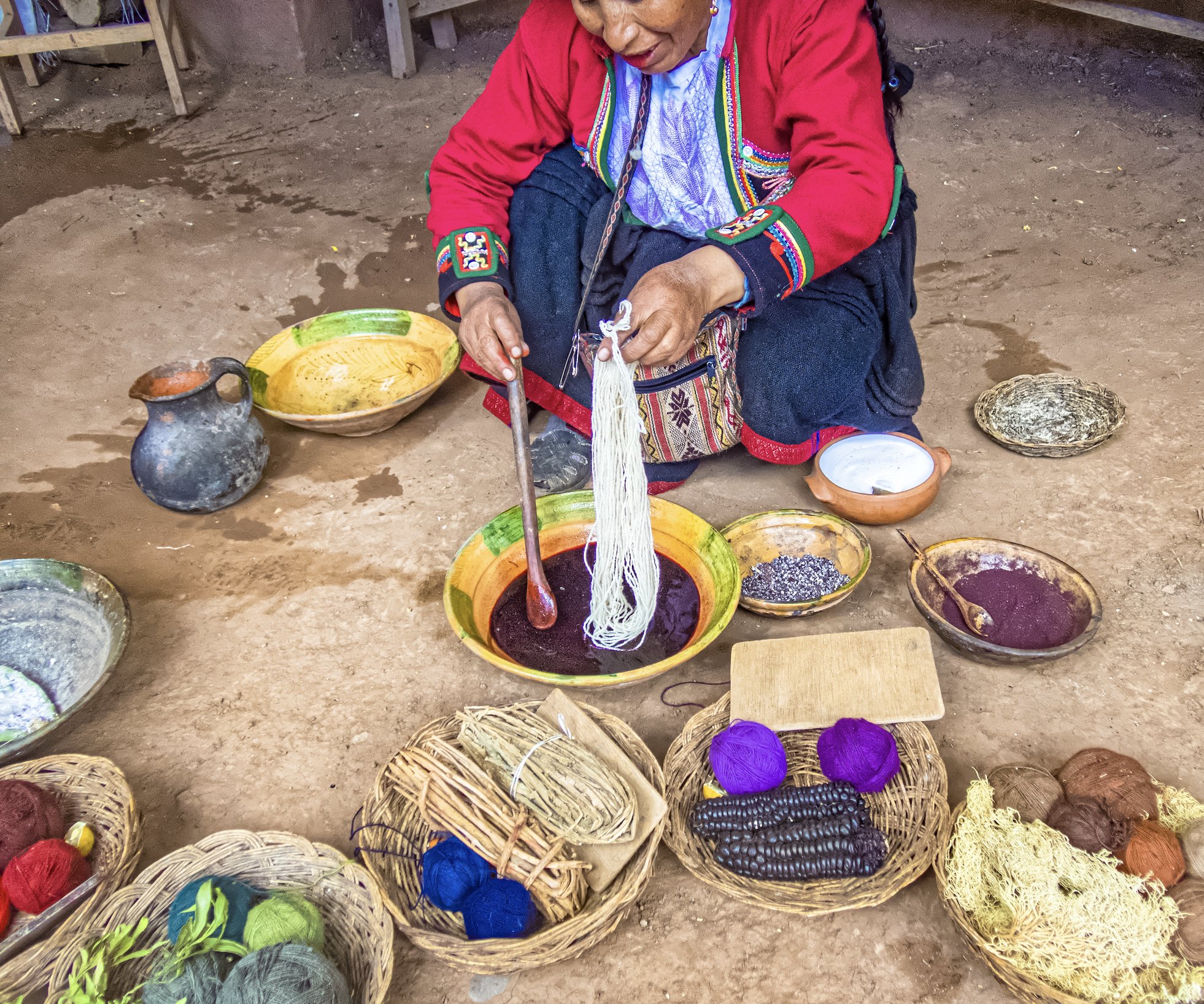
Textile production occupies a unique position within the social, cultural, economic, and political life of the Andes. For thousands of years, textiles have served not merely as items of clothing or trade, but as repositories of knowledge, identity, memory, and social belonging. Archaeological evidence demonstrates that textile production was among the most sophisticated artistic and technological achievements of pre-Columbian societies, with weaving traditions stretching back several millennia across present-day Peru, Bolivia, Ecuador, and northern Chile. Many of the techniques developed by ancient Andean weavers continue to be practised today, reflecting remarkable continuity between past and present.
Throughout Andean history, textiles have carried social, political, economic, and spiritual significance. Within the Inca Empire, fine textiles were among the most highly valued forms of wealth and exchange, functioning not only as commodities but also as markers of status, reciprocity, tribute, and political authority. Scholars of Andean textiles have long argued that cloth occupied a position comparable to writing in other societies, communicating identity, social relationships, territorial belonging, and cultural values through colour, technique, and design.
Contemporary Indigenous weaving communities continue to draw upon these traditions while simultaneously navigating the opportunities and challenges of a rapidly changing world. Across the Peruvian and Bolivian Andes, weaving remains deeply embedded within household economies. Textile production frequently occurs alongside agriculture, livestock management, childcare, and participation in community organisations. Women often play central roles in maintaining these interconnected activities, combining economic production with the transmission of cultural knowledge between generations.