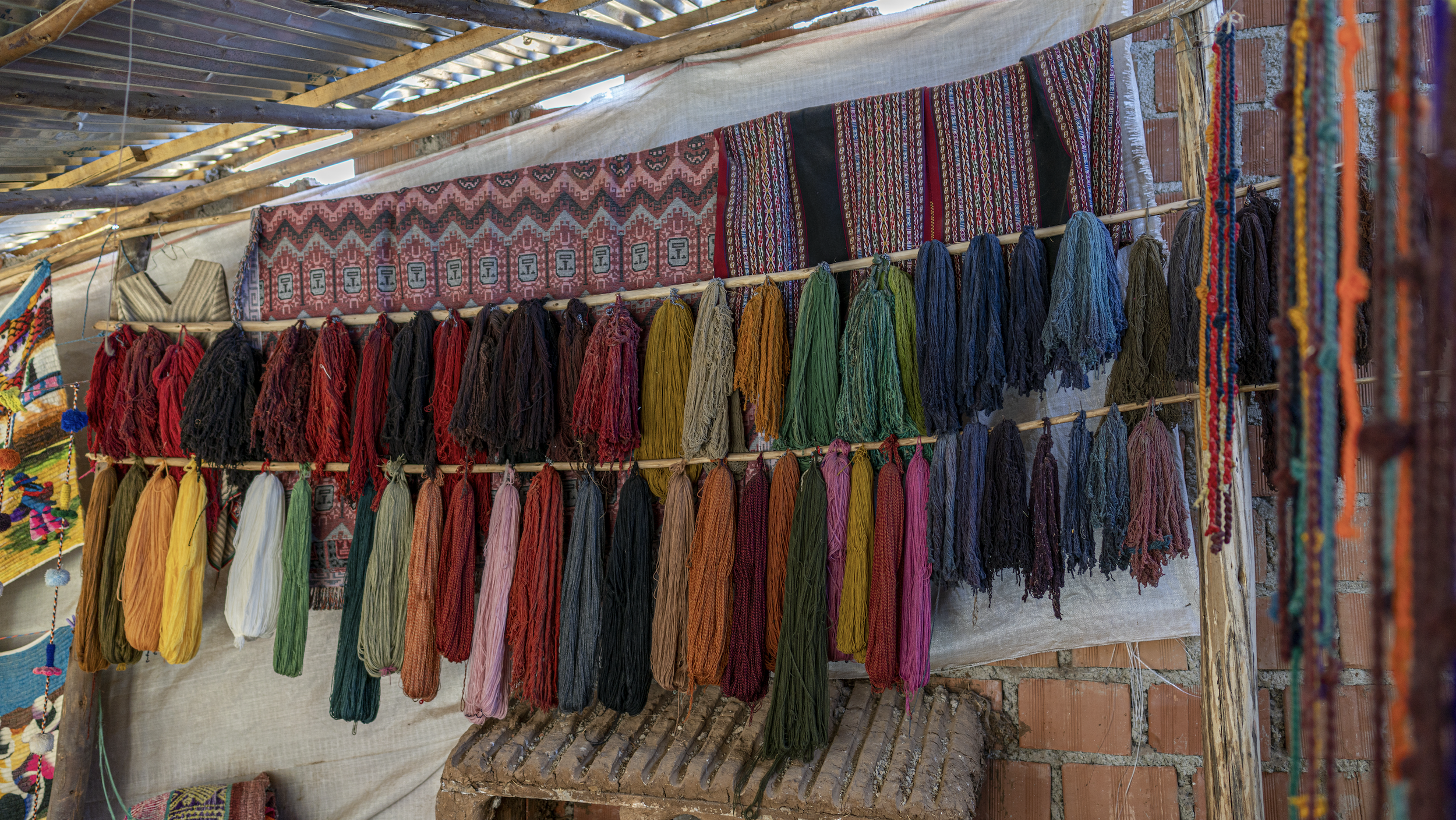
In recent decades, growing international interest in cultural heritage, sustainable development, ethical fashion, and Indigenous knowledge has brought renewed attention to Andean textile traditions. Organisations such as the Centre for Traditional Textiles of Cusco have worked alongside Indigenous weaving communities to recover traditional techniques, preserve textile knowledge, strengthen cultural identity, and improve economic opportunities for producers. These initiatives have highlighted the importance of viewing textiles not simply as products but as living expressions of cultural heritage sustained through everyday practice.
At the same time, weaving communities face significant pressures. Globalisation, migration, changing educational aspirations, tourism development, fluctuating markets, and the availability of industrially produced textiles have transformed the economic environment within which traditional weaving takes place. While global demand for Indigenous textiles has increased in some contexts, the economic benefits generated through textile production are often unevenly distributed. Producers frequently remain positioned at the lowest-value segments of global supply chains despite contributing the knowledge, labour, and cultural expertise upon which these markets depend.
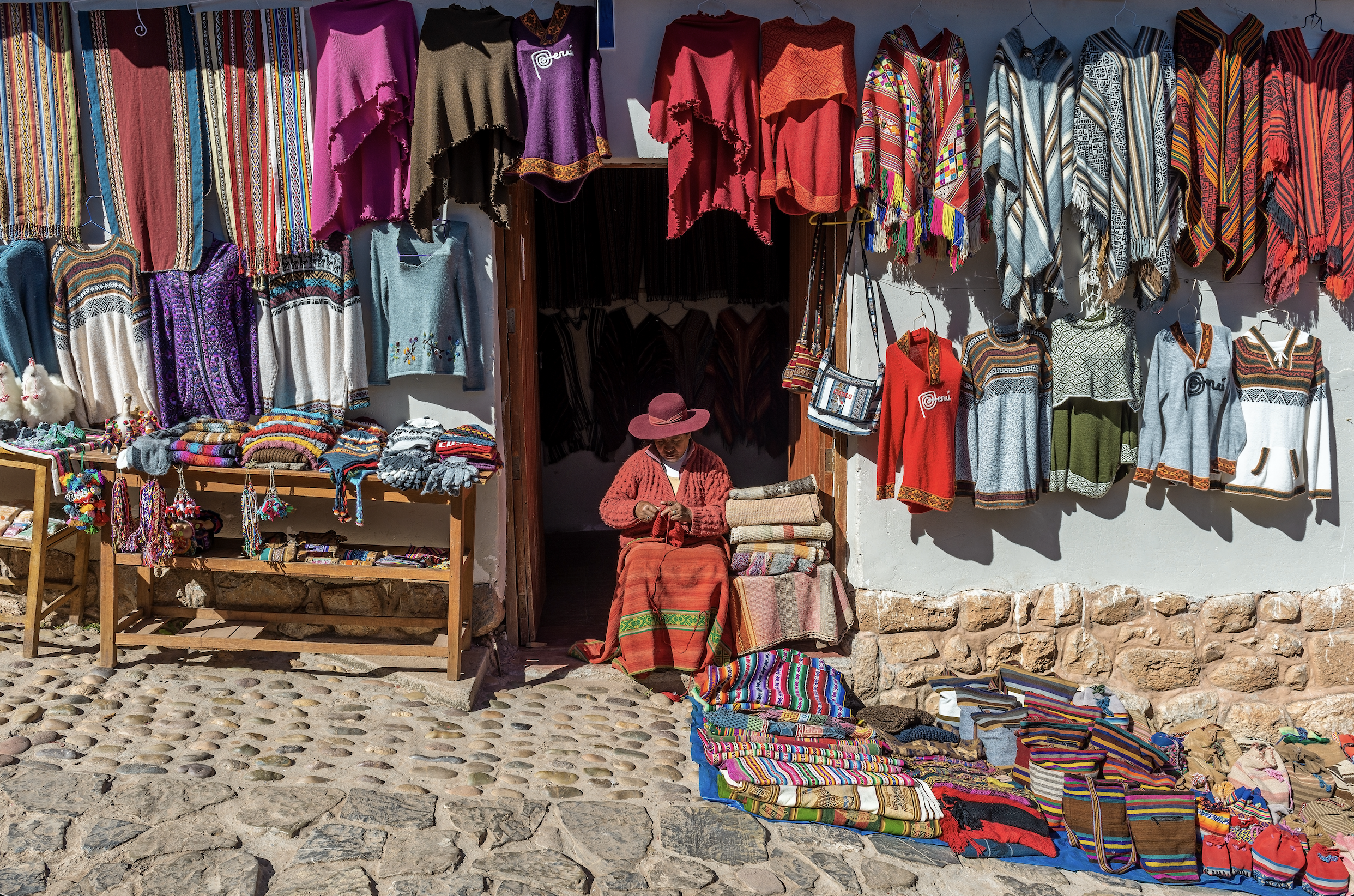
Tourism has emerged as an especially important component of contemporary Andean textile economies. In regions such as Cusco and the Sacred Valley, weaving has become increasingly connected to cultural tourism. Visitors seek opportunities to purchase textiles, observe weaving demonstrations, learn about traditional practices, and engage with Indigenous communities. Tourism can create important sources of income and new opportunities for local entrepreneurship. However, it also raises questions concerning authenticity, cultural representation, market pressures, and the balance between commercial opportunity and cultural preservation.
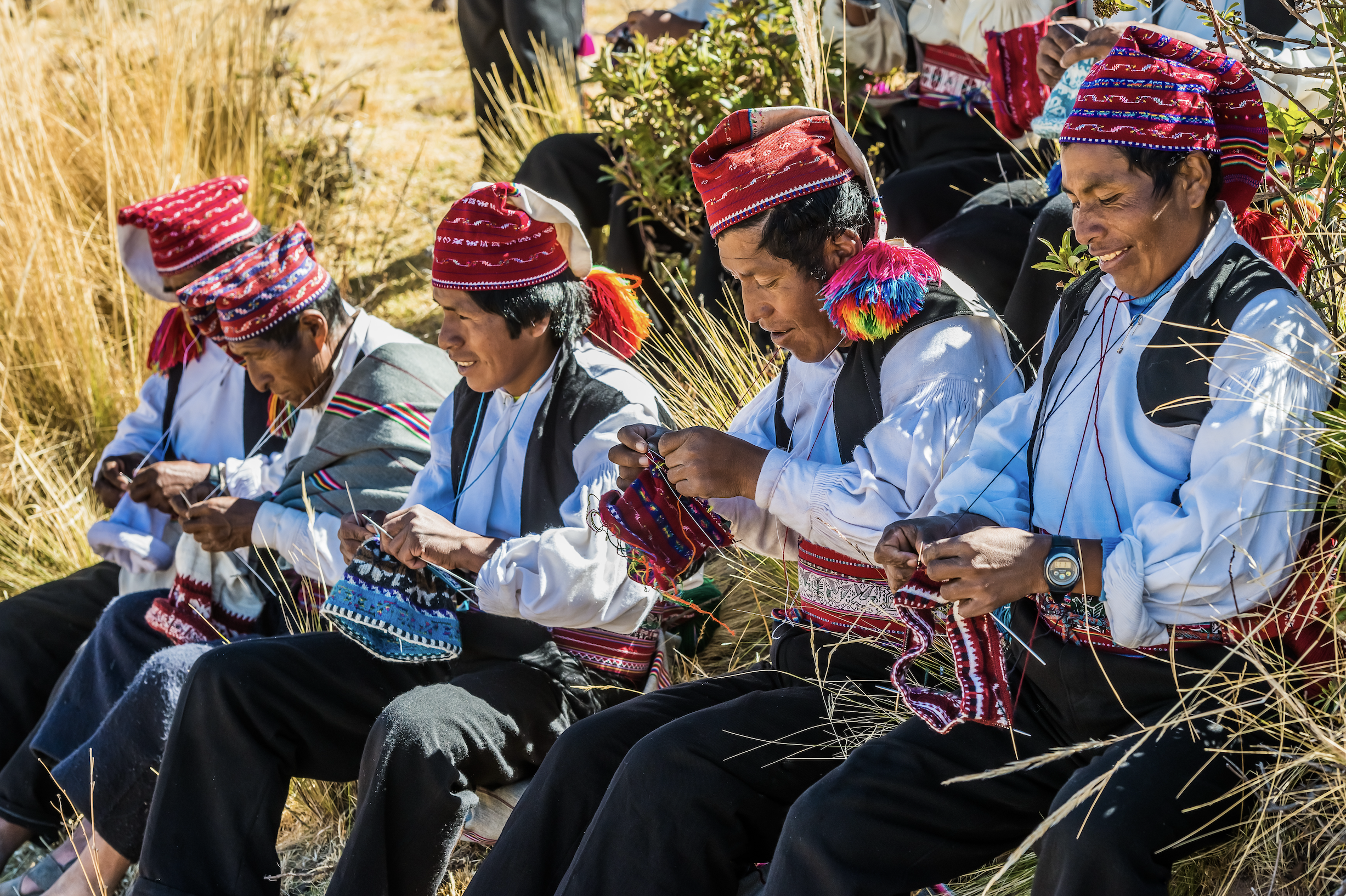
Another important area of concern relates to cultural transmission. Across the Andes, weaving knowledge has historically been passed between generations through observation, participation, and everyday practice. Designs, techniques, stories, and cultural meanings are often learned within families and communities rather than through formal educational institutions. Researchers working with Indigenous weaving communities have increasingly highlighted concerns regarding the loss of specialised knowledge, particularly among younger generations facing competing educational and economic opportunities.
In Quechua-speaking regions, the concept of pallay refers to the woven motifs and symbolic designs embedded within textiles. These designs represent much more than decoration. They embody relationships between people, animals, landscapes, histories, and cultural memory. The preservation of weaving therefore involves the preservation of knowledge systems as much as the preservation of objects.
At the same time, Indigenous communities are increasingly engaging with new technologies, financial systems, and forms of market participation. Mobile banking, digital payment platforms, e-commerce, social media marketing, and new forms of financial inclusion are creating opportunities that were unavailable to previous generations. These developments raise important questions regarding how digital technologies might support community-led development while preserving local control and cultural autonomy.
The Global Threads project emerges from these broader debates. Initially focused on collective branding, intellectual property, and market access, the research seeks to understand how Indigenous weaving communities envision their futures within changing economic, cultural, and political environments. Rather than treating weaving solely as a heritage activity or a market sector, the project approaches textile production as a site where questions of livelihoods, women's leadership, cultural continuity, governance, tourism, youth participation, digital innovation, and sustainable development intersect.