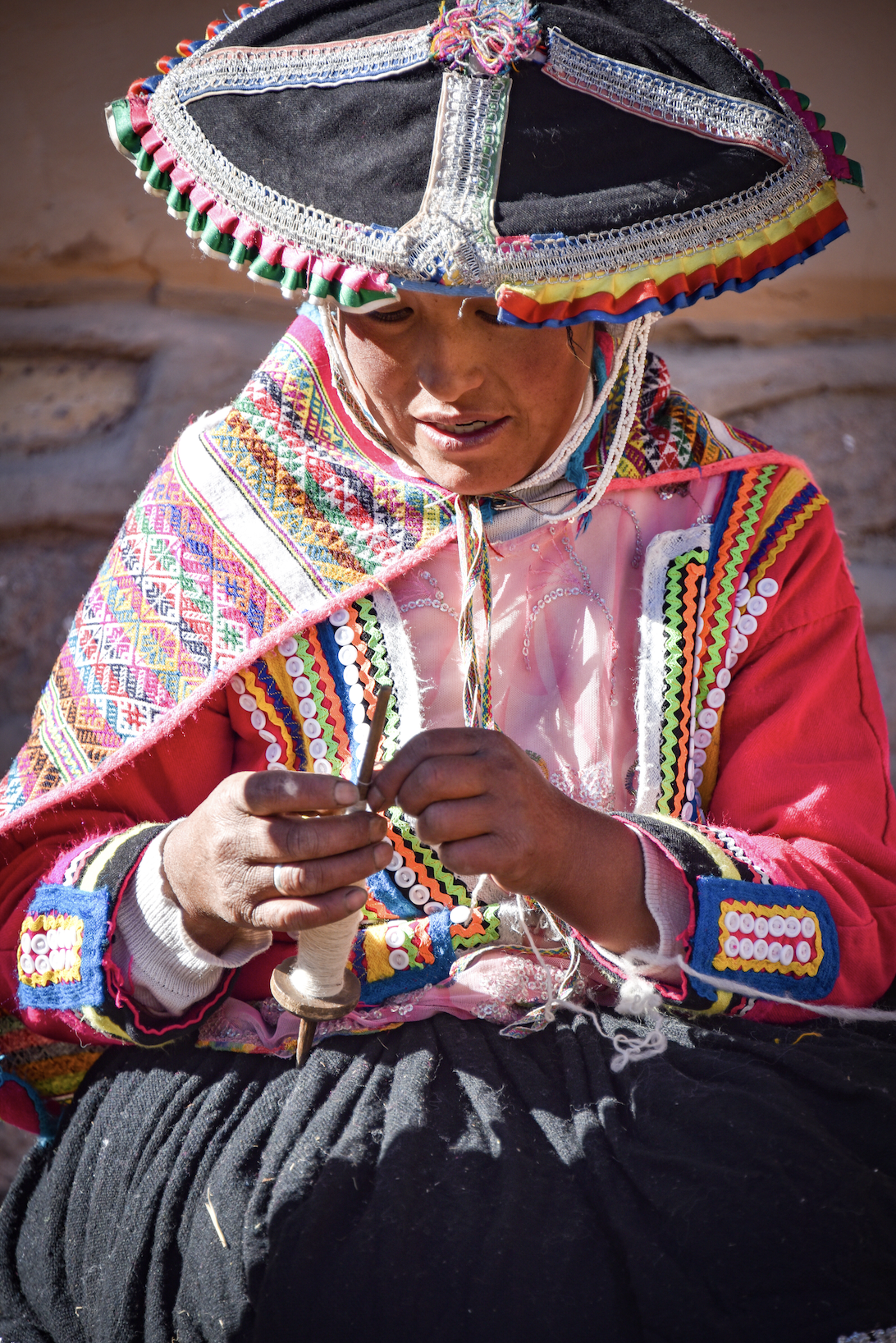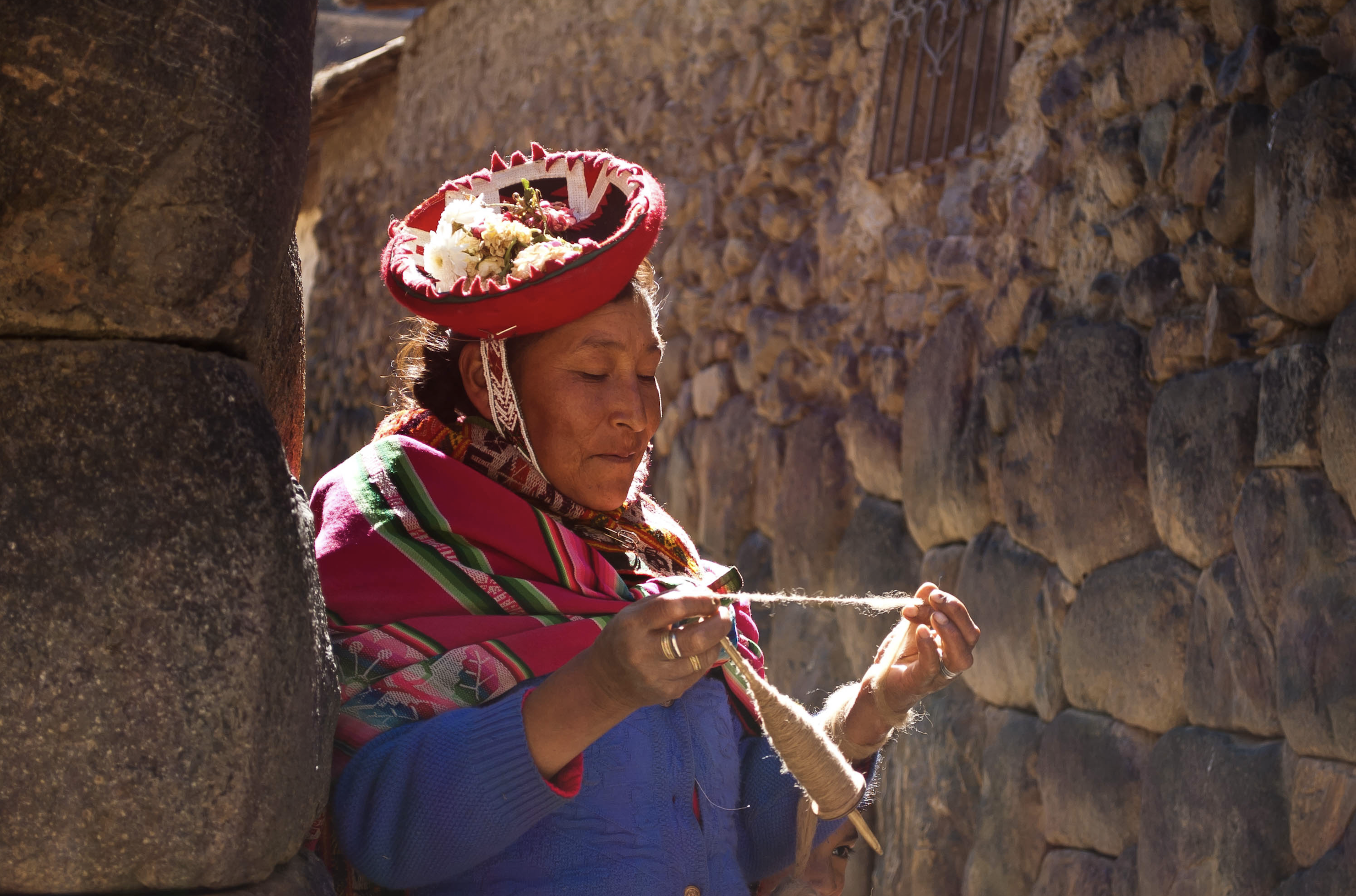
Research conducted throughout the Andes consistently demonstrates that weaving should not be understood solely as a handicraft sector. Rather, it forms part of a broader system of livelihood, social reproduction, cultural continuity, and community resilience. Textiles are simultaneously economic goods, expressions of identity, repositories of knowledge, and vehicles through which relationships between people, communities, landscapes, and histories are maintained.
The Global Threads project emerges from these broader debates. Initially focused on collective branding, intellectual property, and market access, the research seeks to understand how Indigenous weaving communities envision their futures within changing economic, cultural, and political environments. Rather than treating weaving solely as a heritage activity or a market sector, the project approaches textile production as a site where questions of livelihoods, women's leadership, cultural continuity, governance, tourism, youth participation, digital innovation, and sustainable development intersect.
Our Research: Six Emerging Themes
The Global Threads project explores how Indigenous weaving communities are navigating the opportunities and challenges of the twenty-first century. Through interviews, community engagement, knowledge exchange activities, and ongoing collaboration with Indigenous partners, the research examines the interconnected relationships between livelihoods, culture, governance, markets, and sustainable development.
While the project initially focused on collective branding and market access, the research revealed a much broader set of concerns and aspirations. Participants consistently moved between discussions of weaving, household livelihoods, youth participation, community leadership, tourism, cultural preservation, and economic opportunity. Rather than experiencing these issues as separate challenges, participants understood them as interconnected dimensions of community life and future development.
The findings presented throughout this website are organised around six overarching themes:
Weaving, Livelihoods, and Women's Economic Participation
• Exploring the role of weaving in household economies, women's livelihoods, income generation, and economic resilience.
Women's Leadership, Governance, and Community Change
• Examining the growing role of women within community organisations, governance structures, and local development initiatives.
Youth, Knowledge Transmission, and the Future of Pallay
• Investigating intergenerational learning, cultural transmission, and concerns surrounding the preservation of traditional weaving knowledge.
Markets, Trust, and Collective Action
• Exploring experiences of collective organisation, market engagement, community governance, and the importance of trust in sustainable development.
Tourism, Collective Branding, and Global Opportunities
• Examining the relationship between tourism, territorial identity, collective branding, cultural heritage, and international market aspirations.
Digital Futures: FinTech, Microfinance, and Sustainable Development
• Considering the potential role of digital technologies, financial inclusion, microfinance, and new market opportunities in supporting community-led development.